

Feeling sad is a normal part of life, but depression is different. It’s more than just a bad day or a tough week. Depression can make everything feel heavier, slow you down, and take away the joy from things you used to love. While medication and therapy can help, many people want to know: is it possible to beat depression naturally? The answer is yes—there are natural ways to reduce symptoms and start feeling better. These methods don’t replace professional care, but they can make a real difference.
In this article, you’ll discover the best natural methods for fighting depression, with clear steps, practical examples, and tips most people miss. Whether you want to avoid side effects, support your treatment, or simply try something new, this guide will show you how to take control—one small step at a time.
Understanding Depression: Why It’s Tough To Beat
Depression affects nearly 280 million people worldwide, according to the World Health Organization. It can cause sadness, tiredness, problems sleeping, and even physical pain. People with depression often feel hopeless or guilty for no clear reason.
The challenge is that depression changes how your brain works. It lowers important chemicals like serotonin, dopamine, and norepinephrine. These changes make it harder to feel happy, motivated, or energetic. That’s why beating depression usually requires more than just “thinking positive.”
The Science Behind Natural Solutions
Research shows that lifestyle changes can have powerful effects on depression. Simple things like moving your body, eating healthy foods, and connecting with others can boost the same brain chemicals that many antidepressants target. Natural approaches often have fewer side effects and can be used along with medical treatment for better results.
But what really works? Let’s look at the best ways to beat depression naturally.
1. Daily Physical Activity
Exercise is not just for your body—it’s a powerful tool for your mind. Studies show that 30 minutes of moderate exercise (like brisk walking) three to five times a week can reduce symptoms of depression as much as some medications.
How does it work? Exercise increases endorphins—your body’s natural “feel good” chemicals. It also helps your brain grow new connections, making it easier to recover from stress. You don’t have to run a marathon. Even a short walk, dancing in your room, or gentle yoga can make a difference.
Common Mistake: Waiting For Motivation
People often wait until they “feel like it” to exercise. Depression makes motivation hard. Try starting small—just five minutes. Success builds motivation.
2. Healthy Eating For A Happier Brain
What you eat affects your mood. A diet rich in whole grains, vegetables, fruits, nuts, and fish supports brain health. These foods are high in nutrients that help your body make serotonin and other key chemicals.
In contrast, diets high in sugar, fried foods, and processed snacks can make depression worse. Try to add:
- Leafy greens (spinach, kale)
- Fatty fish (salmon, sardines)
- Nuts and seeds (walnuts, flaxseed)
- Berries (blueberries, strawberries)
Insight: Gut Health Matters
Your gut and brain are connected. Probiotics (like yogurt and kefir) can improve mood by supporting good bacteria in your gut.
3. Quality Sleep: Your Brain’s Reset Button
Depression and sleep problems go hand in hand. Poor sleep can trigger or worsen depression. Aim for 7-9 hours of sleep each night.
Tips for better sleep:
- Go to bed and wake up at the same time every day.
- Avoid screens (phones, TV) one hour before bed.
- Keep your bedroom cool, dark, and quiet.
Example: The Sleep Diary
Track your sleep for a week. Write down when you go to bed, when you wake up, and how you feel in the morning. Patterns will appear—helping you spot what helps or hurts your sleep.
4. Sunlight And Nature: Natural Mood Boosters
Exposure to sunlight helps your body make vitamin D, which is linked to better mood and energy. Try to get at least 15–30 minutes of sunlight each day. If you live in a place with little sunlight, consider a light therapy lamp.
Spending time in nature—called “green time”—also reduces stress and lifts mood. A walk in the park, sitting under a tree, or gardening can all help.
Non-obvious Tip: Combine Movement And Nature
Walking outside combines exercise and sunlight. Even a short stroll can boost your mood more than indoor activities.
5. Mindfulness And Meditation
Mindfulness means paying attention to the present moment, without judging your thoughts or feelings. Meditation is a way to practice mindfulness.
Research shows that mindfulness meditation can reduce depression symptoms by changing how your brain handles stress and negative thoughts. Start with five minutes a day, using a guided app or YouTube video.
Example: Simple Breathing Exercise
Sit quietly and focus on your breath. Breathe in slowly for four counts, hold for four, and breathe out for four. Repeat for a few minutes.
6. Social Connection And Support
Depression makes people want to be alone, but isolation makes symptoms worse. Connecting with others—even a little—can help.
Ways to build connection:
- Call or text a friend or family member.
- Join a class, club, or group (even online).
- Volunteer or help someone else.
Insight: Quality Over Quantity
One or two strong, supportive relationships matter more than having many friends. It’s about feeling understood and accepted.

Credit: indigoriverpublishing.com
7. Setting Small, Achievable Goals
Big tasks feel overwhelming when you’re depressed. Break them into small steps. Celebrate each success, no matter how small.
Example: If cleaning your home feels impossible, start with one corner or one shelf. Progress builds confidence and motivation.
Data Table: How Small Goals Add Up
| Task | Small Step | Time Needed |
|---|---|---|
| Clean bedroom | Make the bed | 2 minutes |
| Go for a walk | Put on shoes | 1 minute |
| Pay bills | Open the bill | 1 minute |
8. Limiting Alcohol And Avoiding Drugs
Alcohol and recreational drugs can make depression worse. They affect brain chemicals and can lead to dependence.
If you drink, keep it moderate—no more than one drink a day for women, two for men. If you need help to stop, reach out to a doctor or support group.

Credit: www.amazon.com
9. Writing And Journaling
Writing down your thoughts can help you understand and manage your feelings. Try journaling for ten minutes each day. You can:
- Write about your day
- List things you’re grateful for
- Track your mood
Studies show that people who journal regularly have fewer symptoms of depression and anxiety.
10. Practicing Gratitude
Gratitude means focusing on what is good, even when life feels hard. Each night, write down three things you are grateful for. They can be big or small.
This simple practice shifts your brain’s attention away from negative thoughts and helps you notice positive moments.
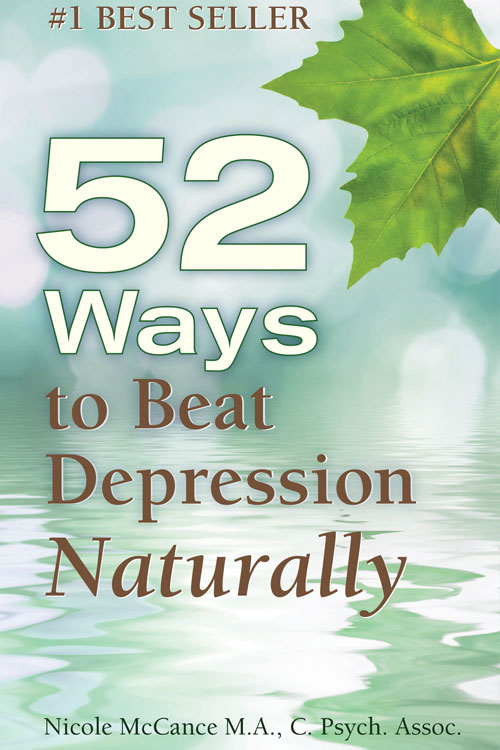
Credit: indigoriverpublishing.com
11. Limiting Negative Self-talk
Depression often fills your mind with harsh, critical thoughts. Learn to challenge and change these thoughts.
Example: Instead of “I’m a failure,” say, “Today was hard, but I did my best.” Over time, kinder self-talk builds resilience.
12. Herbal And Natural Supplements
Some people find relief with certain herbs and supplements. The most studied include:
- St. John’s Wort: May help mild to moderate depression (can interact with medications).
- Omega-3 fatty acids: Found in fish oil, these support brain health.
- SAMe: A natural chemical in the body, sometimes used as a supplement.
Always talk to a doctor before starting supplements—they’re not risk-free.
13. Creating A Routine
Depression makes time feel strange—days blend together. Creating a simple daily routine helps bring structure and predictability.
Tips for routines:
- Wake up and go to bed at the same time.
- Plan meals and exercise.
- Schedule small enjoyable activities.
Routines make it easier to get things done, even on tough days.
14. Limiting Screen Time And News
Too much screen time—especially social media—can increase depression and anxiety. Try to spend less than two hours a day on non-work screens. Avoid checking news constantly, especially before bed.
Instead, spend time reading, drawing, or listening to music.
15. Practicing Self-compassion
Be as kind to yourself as you would to a friend. Depression is not your fault, and healing takes time.
Self-compassion tips:
- Speak gently to yourself
- Allow yourself to rest
- Forgive mistakes
This approach builds inner strength and helps recovery.
16. When To Seek Professional Help
Natural methods are powerful, but sometimes depression is too strong to manage alone. Seek help if you:
- Think about self-harm or suicide
- Can’t function at work or home
- Feel hopeless for more than two weeks
Professional treatment can include therapy, medication, or both. There is no shame in needing extra support.
Comparing Natural Methods Vs. Medication
It helps to see how natural methods and medication compare. Here’s a quick overview:
| Method | How It Works | Benefits | Common Side Effects |
|---|---|---|---|
| Natural Methods | Lifestyle changes, mind-body techniques | Few side effects, supports long-term health | Requires consistency, results take time |
| Medication | Changes brain chemicals quickly | Fast symptom relief for some people | Weight changes, sleep issues, sexual side effects |
Real-world Example: Sarah’s Story
Sarah, age 35, struggled with depression for months after losing her job. At first, she stayed in bed and ate junk food. A friend suggested walking together every morning. Sarah started with five minutes a day. She also began journaling and eating healthier meals.
Gradually, her energy improved, and she found a part-time job. Sarah’s story shows that small steps, taken every day, can add up to big changes.
Tracking Your Progress
Change can be slow. Use a simple chart or calendar to track your mood and habits.
| Day | Exercise (Y/N) | Sleep Hours | Mood (1-10) |
|---|---|---|---|
| Monday | Y | 7 | 5 |
| Tuesday | N | 6 | 3 |
| Wednesday | Y | 8 | 6 |
Over time, you’ll see what helps most.
Frequently Asked Questions
What Is The Fastest Natural Way To Beat Depression?
There’s no “instant fix. ” However, exercise and sunlight often give the quickest mood boost. Even a ten-minute walk outside can help you feel better soon.
Can I Beat Depression Without Medication?
Yes, many people improve with natural methods, especially for mild to moderate depression. Severe depression may need professional treatment. Always consult a doctor if you’re unsure.
Is It Normal To Still Feel Sad Sometimes?
Yes, everyone feels sad sometimes—even after making changes. The goal is progress, not perfection. If sadness is constant or severe, seek help.
How Long Do Natural Methods Take To Work?
Some people notice changes in a week, but it often takes 4–8 weeks of regular practice for big improvements. Patience and consistency are key.
Where Can I Find More Resources?
For more information, visit the National Institute of Mental Health for trusted advice and support.
Taking the first step is the hardest, but small, daily changes can lead to a brighter future. You’re not alone, and with time, natural methods can help you find hope and happiness again.

Troy is a Freelance writer, editor, and author who lives, works, and plays in Boise, Idaho where he hikes, cycles, skis, and basically enjoys the outdoor lifestyle of the Northwest. Troy writes about business, sports, GIS, Education, and more. He is most passionate about writing suspense thrillers, and his work can be found at https://www.amazon.com/Troy-Lambert/e/B005LL1QEC/
